
How to Transcribe Audio Recording to Text in 5 Minutes
 Video To Text AI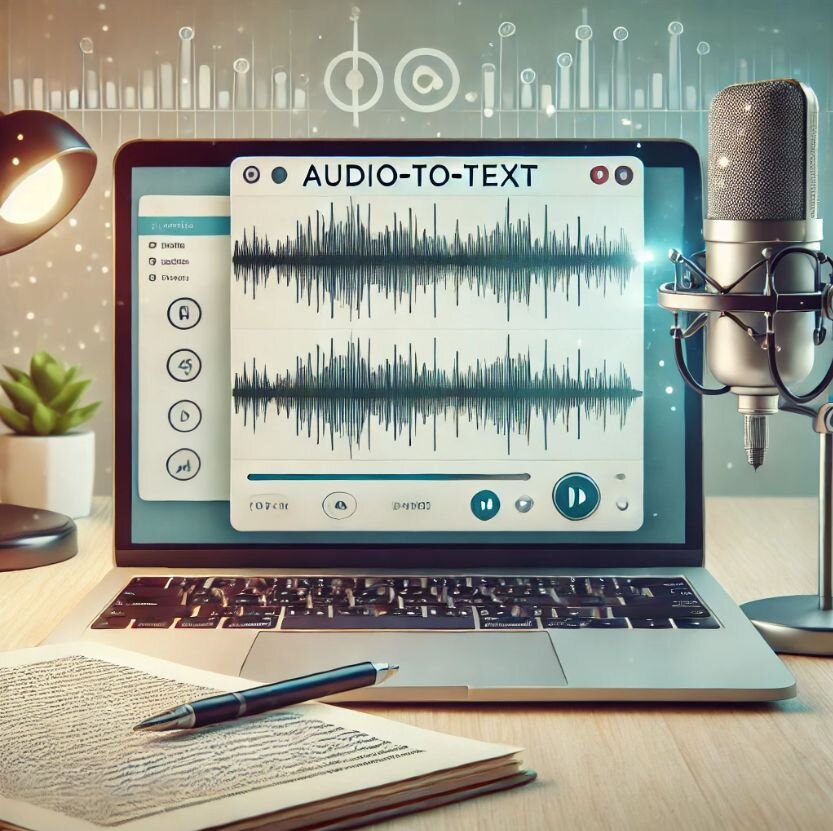
A guide on converting any audio recording to text using VideoToTextAI.
Generating text from audio is now incredibly fast thanks to Automatic Speech Recognition (ASR). Modern models extract speech features and transform spoken language into written text with impressive accuracy. VideoToTextAI uses this technology to deliver quick, reliable transcription for a wide range of audio and video recordings.
What is VideoToTextAI?
VideoToTextAI is a versatile tool designed to convert audio or video content into editable text. It’s ideal for creating captions, subtitles, summaries, and more.
Step 1: Upload the Audio Recording
Start by ensuring your audio is ready—either uploaded to YouTube or saved locally. Supported formats include mp3, mp4, mpeg, mpga, m4a, wav, and webm.
- Upload the audio file or paste the YouTube link into VideoToTextAI.
- Click “Transcribe” to begin processing.
- Within a couple of minutes, the tool will generate your editable text.
Step 2: Edit the Transcribed Text
Once transcription is complete:
- Open “View Transcribed Files.”
- Select “Text” under your audio entry to review and edit.
From here, you can copy the text directly, or take advantage of additional features:
- Translate to another language: Choose from over 100 languages and click “Translate.”
- Use the Chat function: Click Chat, then give an instruction such as “Summarize this interview.”
The AI will refine or reformat the content based on your request.
When you're satisfied, copy the final text to Word, Excel, Notepad, or any tool you prefer.
Conclusion
Transcribing audio recordings is now a fast, flexible process. With VideoToTextAI, you can upload your audio, generate text in minutes, translate it, and even refine it using AI-powered tools. From interviews and lectures to podcasts and voice notes, this platform makes turning spoken content into text easy and efficient.
Frequently Asked Questions
-
What is VideoToTextAI?
A tool that converts video and audio recordings into text, offering translation, editing, and AI-powered enhancements. -
What audio formats are supported?
mp3, mp4, mpeg, mpga, m4a, wav, and webm. -
How long does transcription take?
Usually just a couple of minutes, depending on file size and clarity. -
Can I edit and translate the transcribed text?
Yes. You can edit freely, translate into 100+ languages, and use the Chat function to summarize or reformat the text.
Related posts
Reel Analyser (Instagram Reels): Transcript‑First Competitor Research, Hook/CTA Extraction, and Repurposing Workflow (VideoToTextAI)
Video To Text AI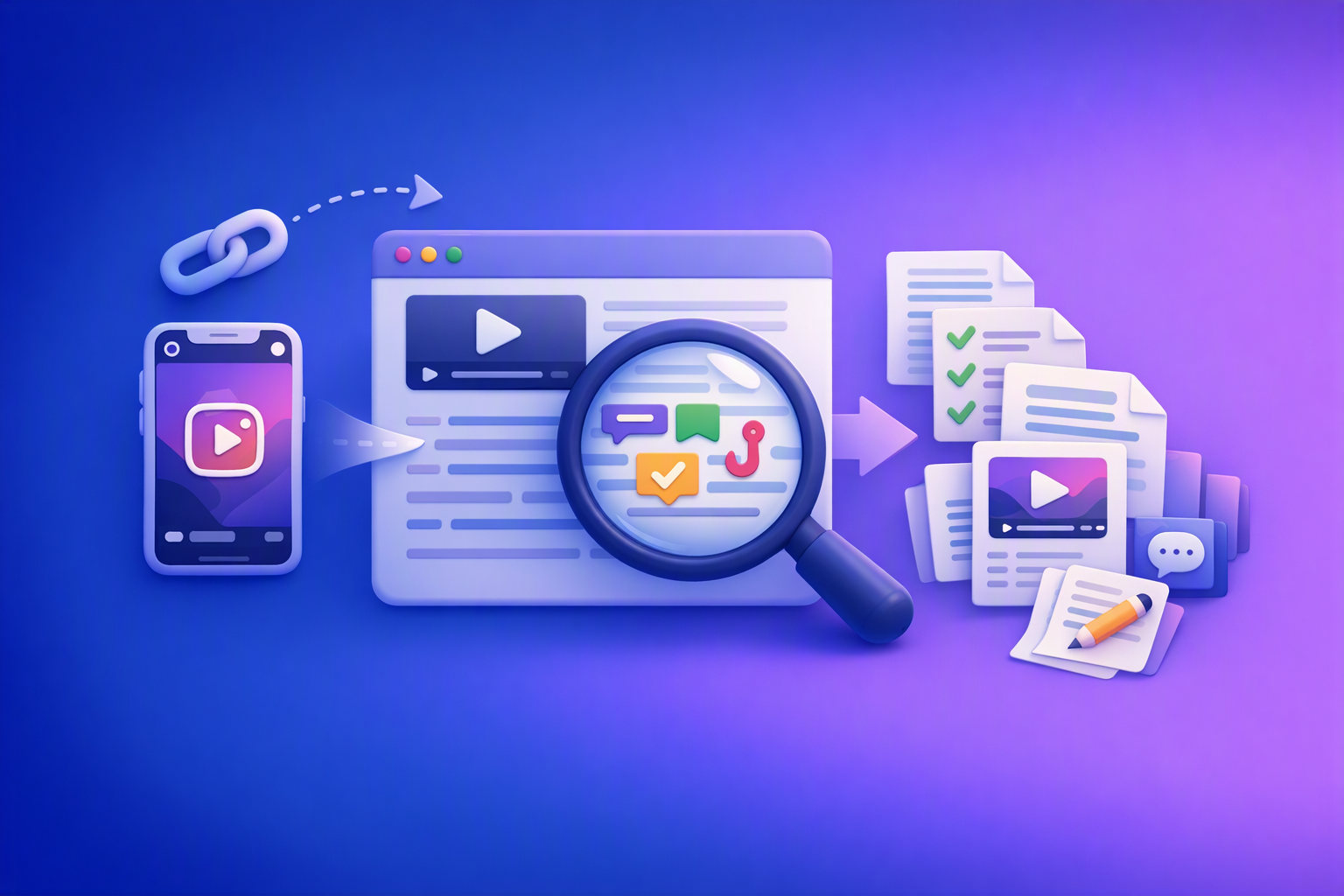
A 2026 reel analyser should turn Instagram Reel links into a searchable transcript library you can tag for hooks, CTAs, objections, and topic clusters—then export into repurposing-ready drafts without a download/upload loop.
Traducir video de Instagram (Reels) en 2026: workflow transcript-first para traducir, sacar hooks/CTAs y repurpose (con VideoToTextAI)
Video To Text AI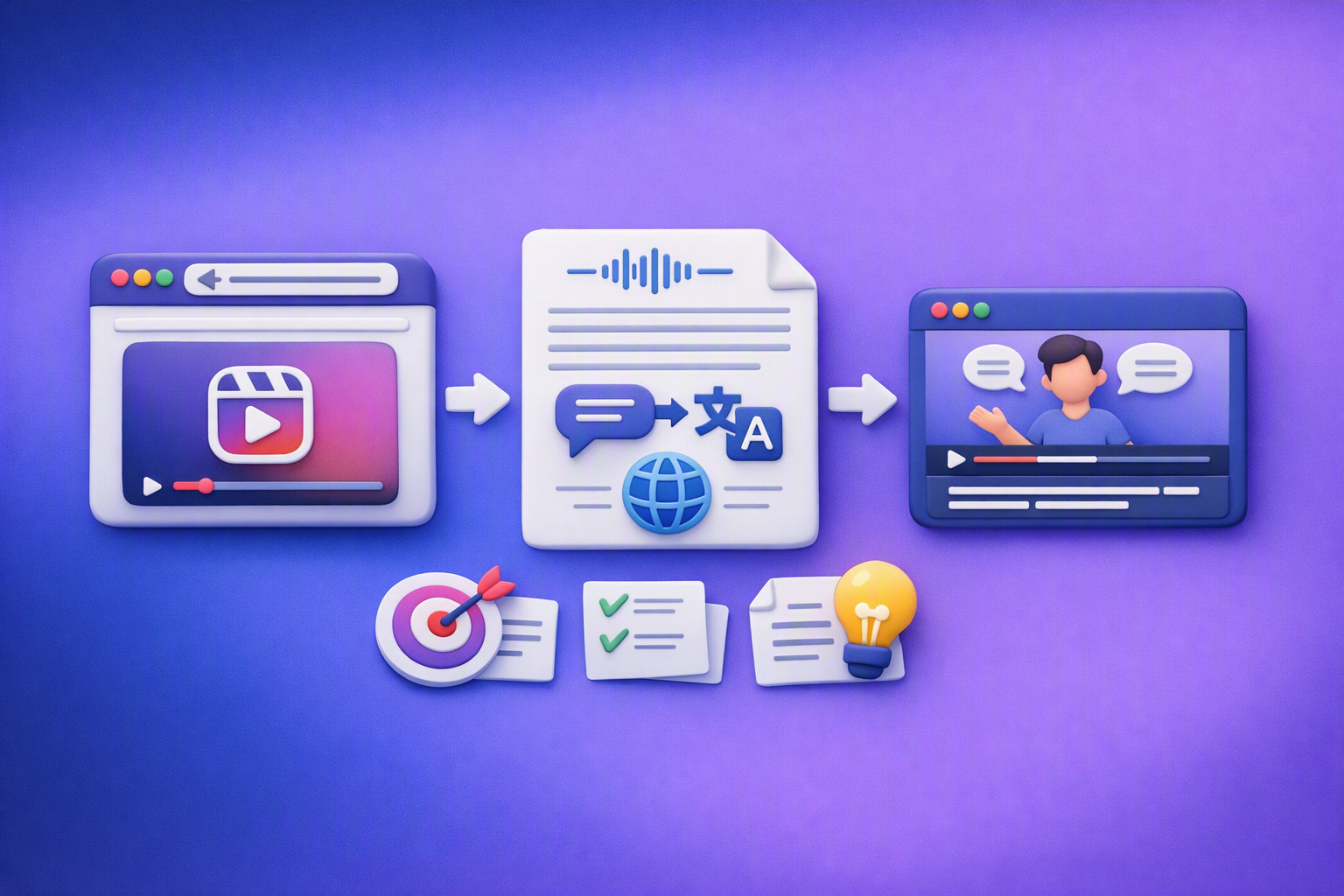
Aprende a traducir un Reel de Instagram con un flujo URL→transcripción→traducción→subtítulos, y a convertir esa traducción en un activo de investigación para hooks, CTAs, objeciones y clusters de contenido.
Reel Analyzer: Transcript‑First Instagram Reels Research (Hooks, CTAs, Objections) + Workflow Guide (VideoToTextAI)
Video To Text AI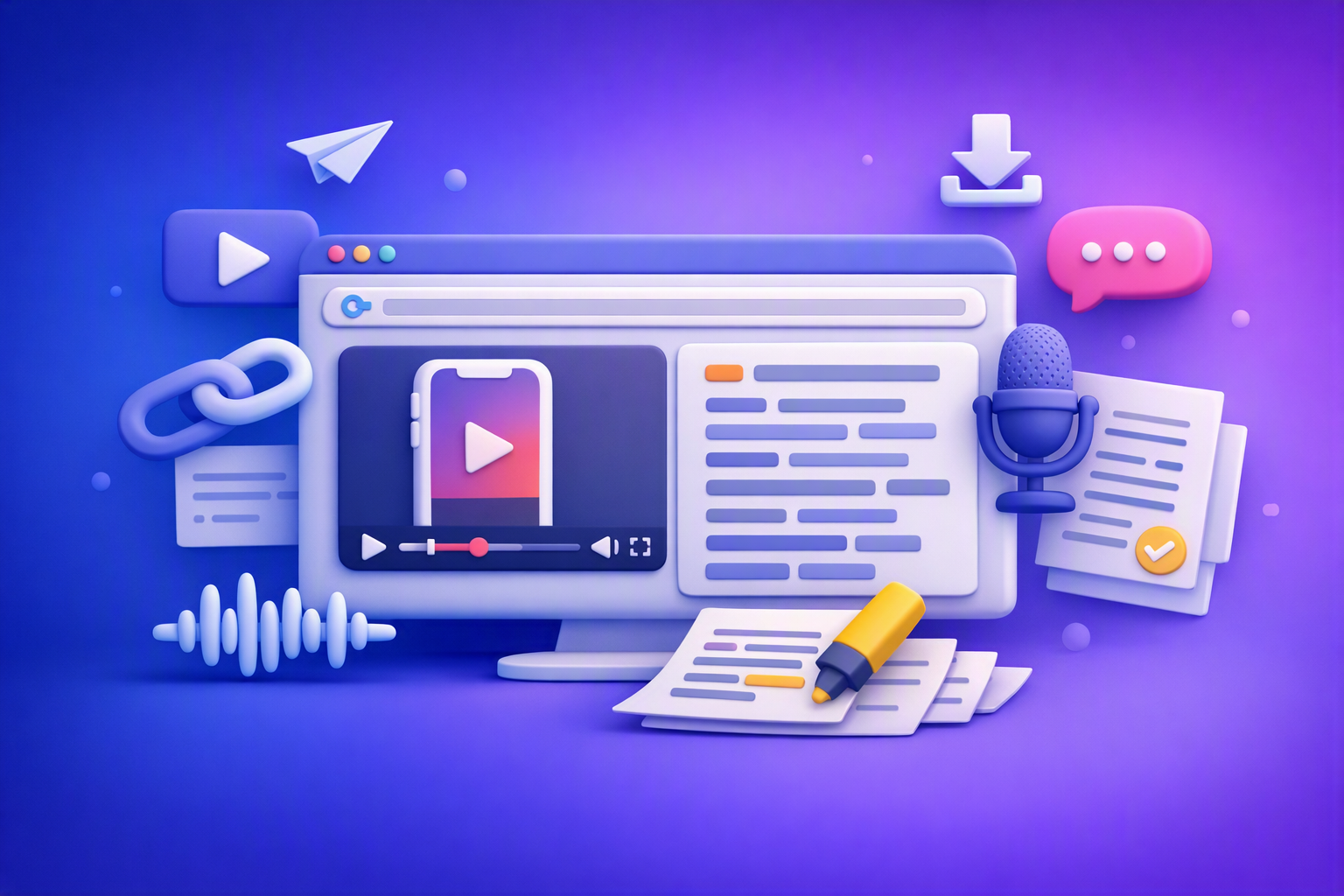
A reel analyzer should turn any public Instagram Reel link into a searchable transcript library you can mine for hooks, CTAs, objections, and topic clusters—then repurpose into original drafts with a repeatable SOP.