
How to Make a Personalized Workout Plan
 Video To Text AI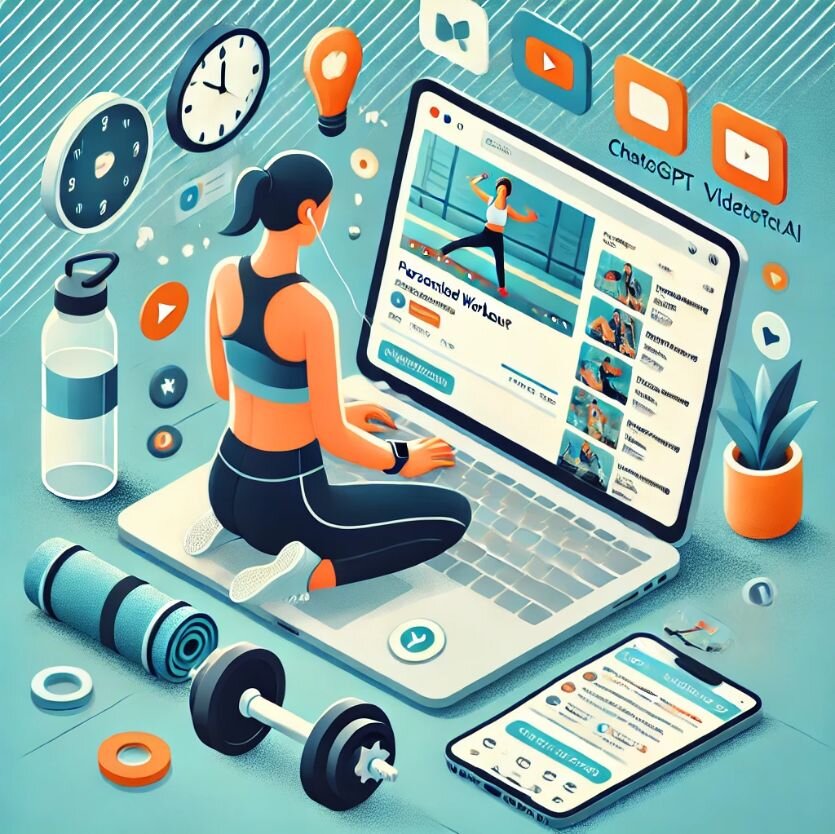
A guide on making any YouTube workout video into a personalized workout plan with VideoToTextAI.
Creating structured workout plans from YouTube videos is an effective way to tailor your training to your goals—whether you're aiming to build muscle, lose weight, or focus on a specific challenge. A pre-made plan keeps you consistent and eliminates the need to constantly search for exercises. With VideoToTextAI, you can turn any workout video into a customized routine.
Step 1: Transcribing Your YouTube Video
Begin by converting your chosen YouTube video into text using VideoToTextAI.
- Paste the YouTube link into the tool.
- Click “Transcribe” to process the video.
- Wait a few minutes while the tool generates the transcript.
This transcription becomes the foundation for your workout plan.
Step 2: Turning a YouTube Video into a Workout Plan
Once the transcription is ready:
- Open “View Transcribed Files.”
- Click “Text” under your selected video.
- This brings you to a page where you can generate your personalized schedule and even translate the text.
Next:
- Select the Chat feature at the top left.
- Provide your instructions. For example:
“Make me a workout plan for three months, including sets, reps, resting times, and starting weights.” - Press Send and let the AI produce your plan.
You can refine the results by giving further instructions. Once satisfied, copy your workout plan into your preferred format—Word, Excel, Notepad, or your fitness notebook.
Conclusion
Building a custom workout plan from any YouTube video is simple with VideoToTextAI. By turning video instructions into structured text, you can tailor routines to match your goals, experience level, and preferences. Whether you're new to fitness or experienced, this approach helps you stay organized and consistent.
Start today and transform your favorite YouTube workouts into a detailed, personalized program.
Frequently Asked Questions
-
What kind of YouTube videos work best?
Videos with clear instructions, structured routines, and detailed explanations of sets, reps, and rest intervals. -
How accurate is VideoToTextAI?
It performs exceptionally well, even for fitness terminology. Clear audio ensures the best results. -
Can I customize the workout plan further?
Yes. Provide additional commands to refine duration, equipment needs, or training goals. -
What if the transcription includes errors?
You can edit the transcript before generating the plan, or guide the AI with extra instructions. -
How is VideoToTextAI better than ChatGPT for this?
VideoToTextAI uses the actual transcript from your selected video, while ChatGPT alone may generate generic or inaccurate details. chatgpt-chat-with-any-video.md
Related posts
Reel Analyser (Instagram Reels): Transcript‑First Competitor Research, Hook/CTA Extraction, and Repurposing Workflow (VideoToTextAI)
Video To Text AI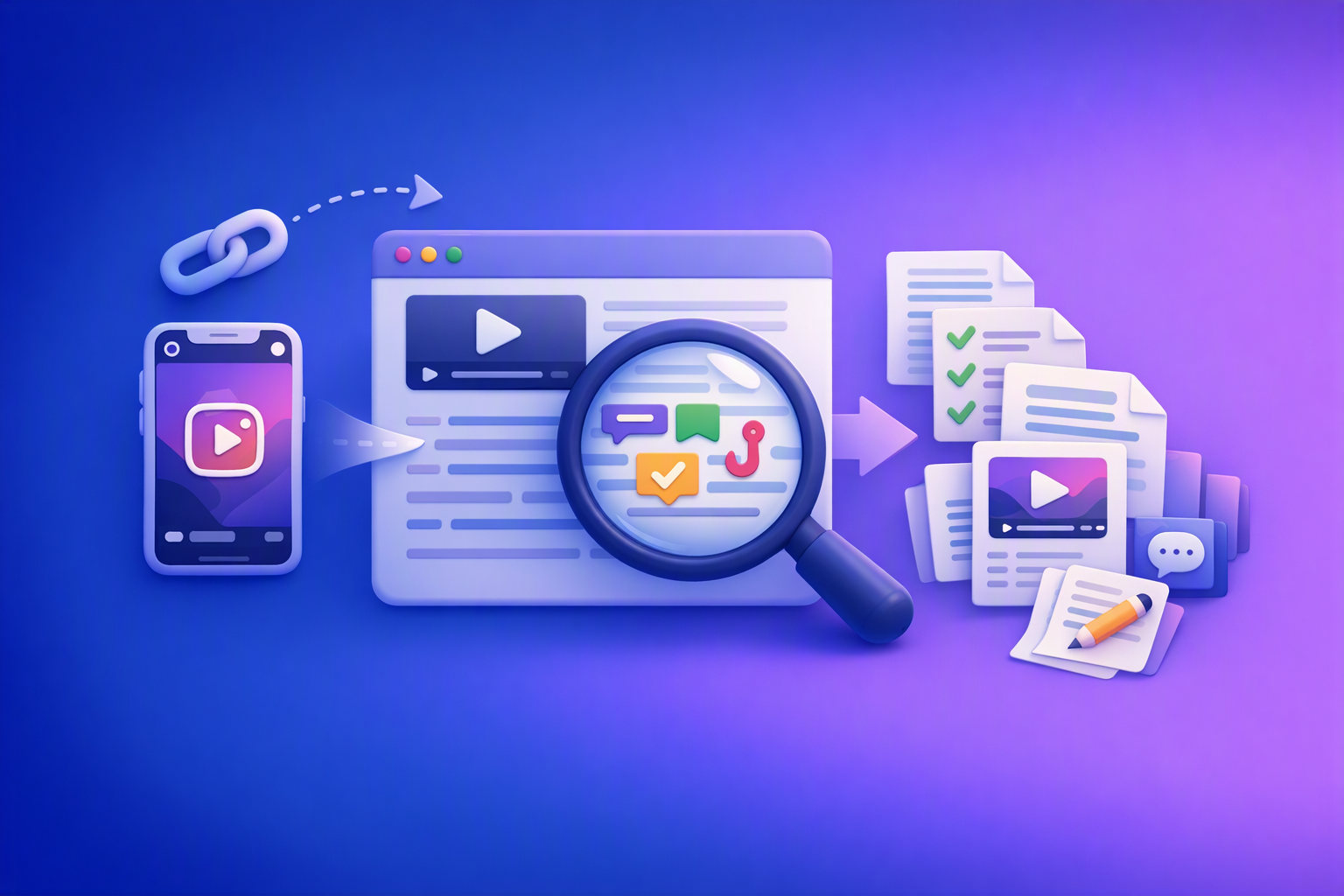
A 2026 reel analyser should turn Instagram Reel links into a searchable transcript library you can tag for hooks, CTAs, objections, and topic clusters—then export into repurposing-ready drafts without a download/upload loop.
Traducir video de Instagram (Reels) en 2026: workflow transcript-first para traducir, sacar hooks/CTAs y repurpose (con VideoToTextAI)
Video To Text AI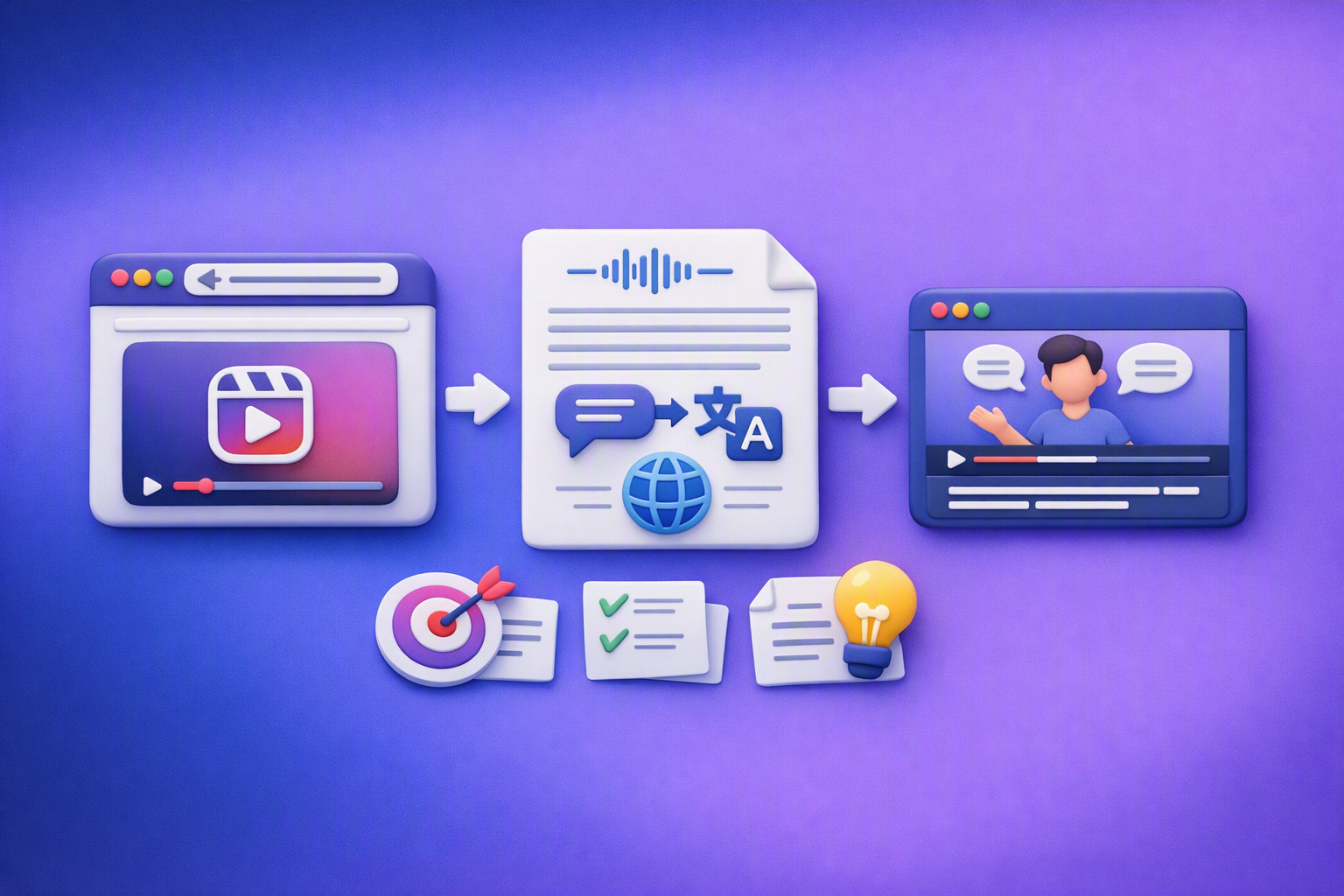
Aprende a traducir un Reel de Instagram con un flujo URL→transcripción→traducción→subtítulos, y a convertir esa traducción en un activo de investigación para hooks, CTAs, objeciones y clusters de contenido.
Reel Analyzer: Transcript‑First Instagram Reels Research (Hooks, CTAs, Objections) + Workflow Guide (VideoToTextAI)
Video To Text AI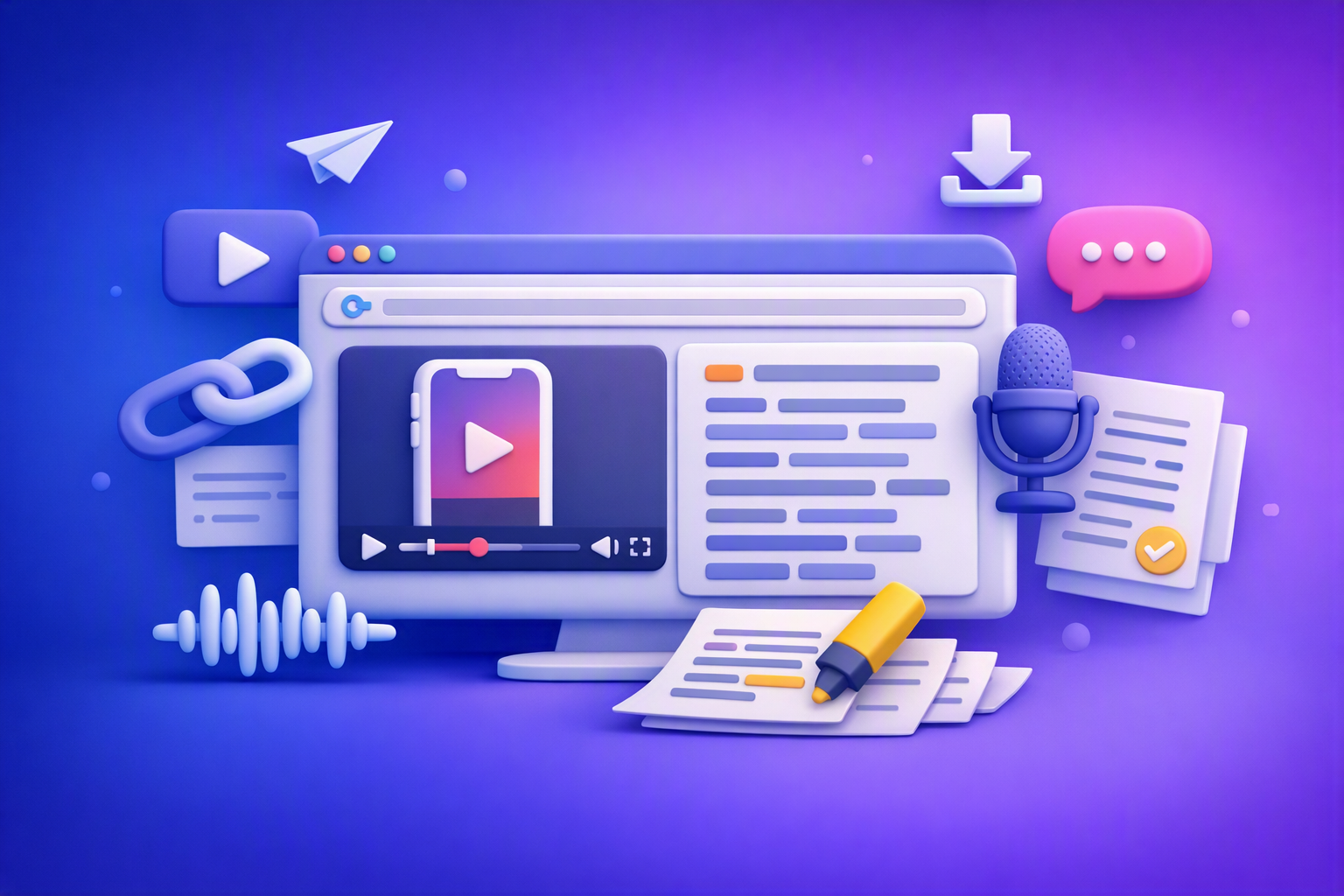
A reel analyzer should turn any public Instagram Reel link into a searchable transcript library you can mine for hooks, CTAs, objections, and topic clusters—then repurpose into original drafts with a repeatable SOP.