
How to Make Subtitles for YouTube Videos in Different Languages Using VideoToTextAI
 Video To Text AI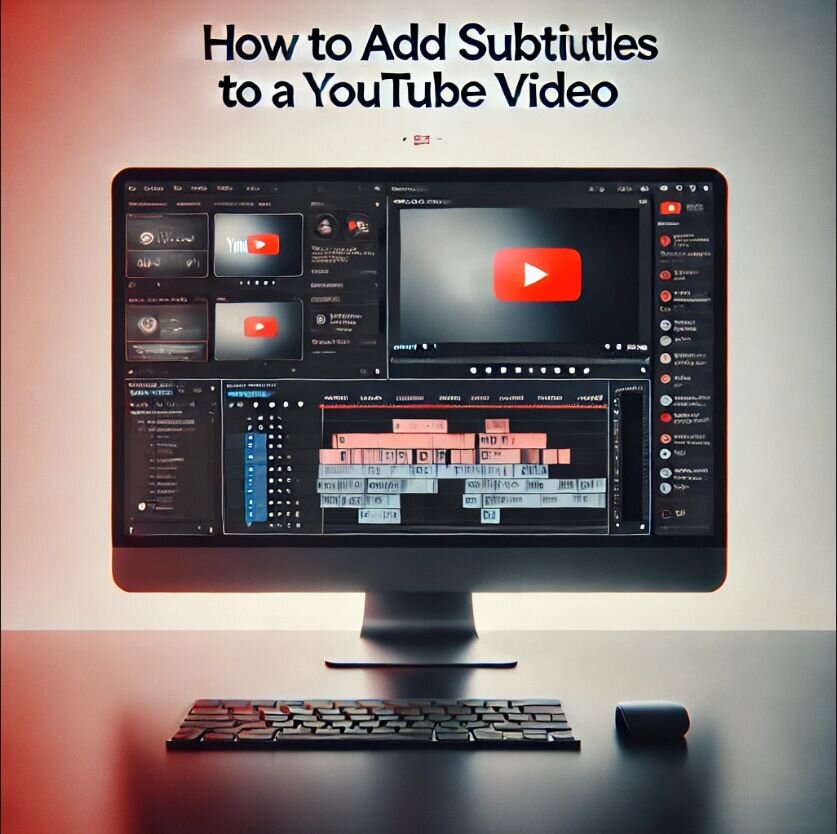
Adding subtitles in multiple languages can dramatically expand your video's reach, improve accessibility, increase engagement, and boost SEO. Captions also help viewers watching in sound-sensitive environments or those who are deaf or hard of hearing. Here's how to do it easily with VideoToTextAI.
Step 1: Prepare Your Video
Make sure your video is already uploaded to YouTube. Once it’s online, you can begin generating subtitles. With VideoToTextAI, you can create them in more than 50 languages.
Step 2: Create Subtitles with VideoToTextAI
VideoToTextAI converts video content into text, making it ideal for subtitles, captions, and text-based content.
- Transcribe Your Video: Upload your video to VideoToTextAI. The transcription will take a few minutes.
- Download the Subtitles File: After processing, locate your file under All Files, open it, and select Captions. You can customize the generated subtitles there.
- Translate the Subtitles: Go to the Translations section, choose your language under Translate To, click Translate, then Save.
Once saved, your translated subtitles appear in the Current Language dropdown. Select the language, press Choose, and the tool will refresh with the new subtitles. Download them using Download SRT or Download VTT.
VideoToTextAI also offers formatting tools:
- General: Export subtitles in SRT or VTT formats.
- Styling: Adjust font, size, and color, and position subtitles. (Works when the video is downloaded from VideoToTextAI.com.)
- Captions: Manually edit the wording or timing.
Step 3: Add Subtitles to Your YouTube Video
Once your subtitles are ready, upload them to YouTube.
- Open Video Details in YouTube Studio and select Subtitles.
- Click Upload File and choose your SRT or VTT file.
- Click Publish to finalize.
Benefits of Adding Subtitles
- Improved Accessibility: Supports viewers with hearing impairments.
- Global Reach: Multilingual subtitles attract international viewers.
- Higher Search Visibility: Search engines can index subtitle text.
- Better Viewer Retention: Accurate captions help keep viewers engaged.
Conclusion
Subtitles are an easy way to make your videos more accessible and reach a broader audience. VideoToTextAI simplifies the multilingual captioning process, making it fast and efficient.
Start enhancing your content today.
Frequently Asked Questions
-
Can I use auto-generated subtitles?
Yes, but reviewing them for accuracy is recommended. -
Which subtitle formats does YouTube accept?
Supported formats include SRT, VTT, and SBV. -
Do subtitles improve video performance?
Yes—captions help with watch time, accessibility, and search ranking. -
Can I upload subtitles in multiple languages?
Absolutely. You can add several subtitle tracks to one video.
Related posts
Reel Analyser (Instagram Reels): Transcript‑First Competitor Research, Hook/CTA Extraction, and Repurposing Workflow (VideoToTextAI)
Video To Text AI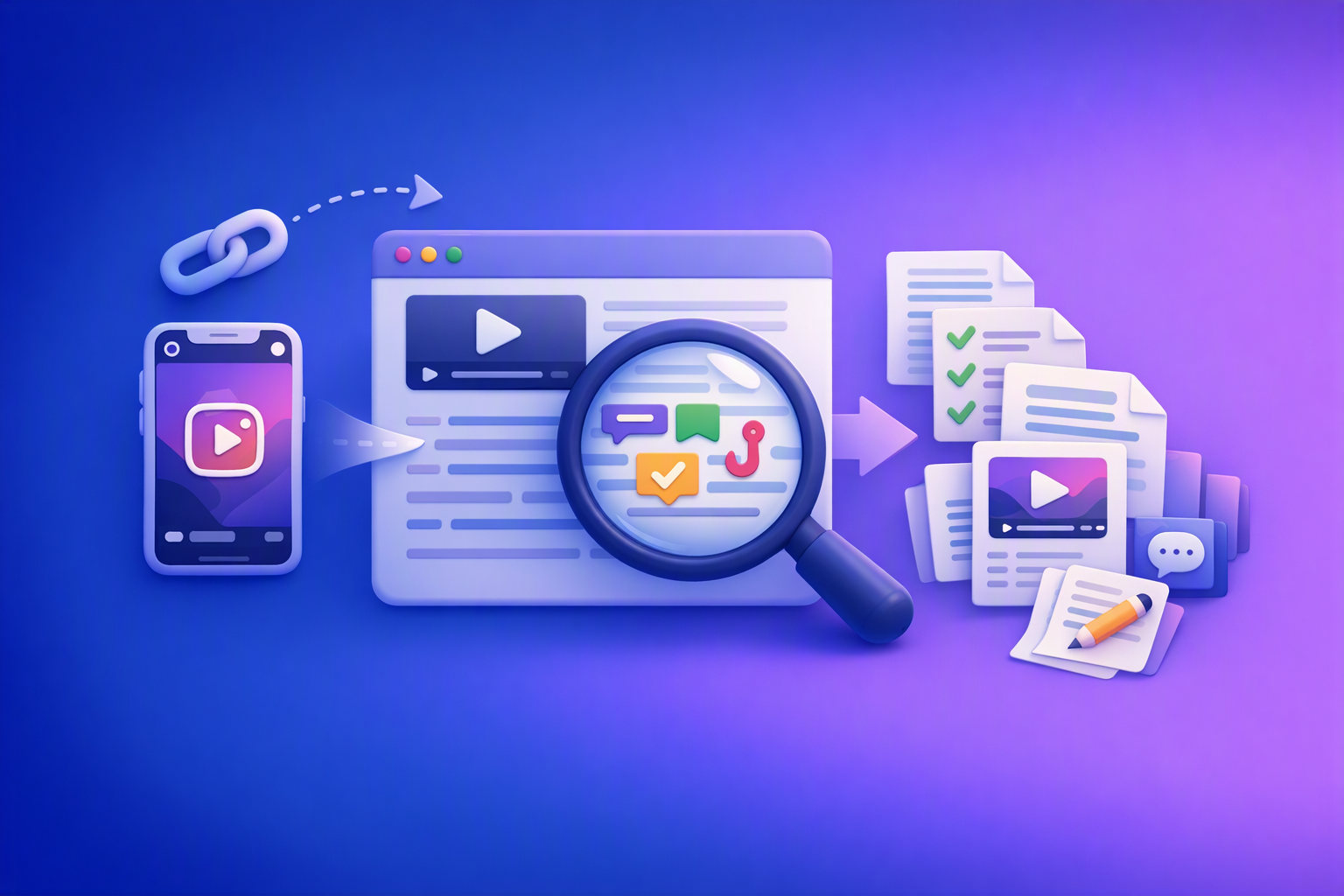
A 2026 reel analyser should turn Instagram Reel links into a searchable transcript library you can tag for hooks, CTAs, objections, and topic clusters—then export into repurposing-ready drafts without a download/upload loop.
Traducir video de Instagram (Reels) en 2026: workflow transcript-first para traducir, sacar hooks/CTAs y repurpose (con VideoToTextAI)
Video To Text AI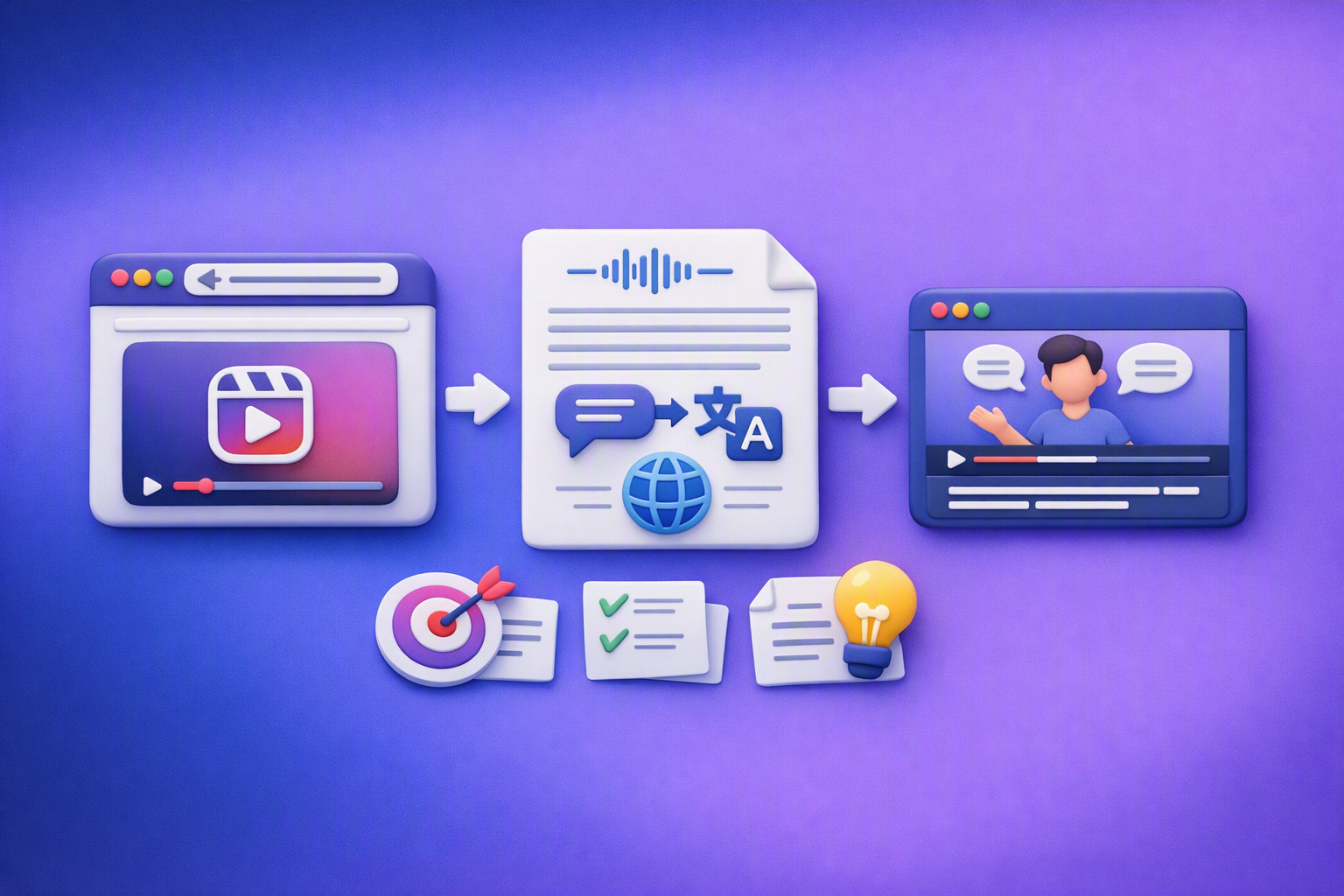
Aprende a traducir un Reel de Instagram con un flujo URL→transcripción→traducción→subtítulos, y a convertir esa traducción en un activo de investigación para hooks, CTAs, objeciones y clusters de contenido.
Reel Analyzer: Transcript‑First Instagram Reels Research (Hooks, CTAs, Objections) + Workflow Guide (VideoToTextAI)
Video To Text AI
A reel analyzer should turn any public Instagram Reel link into a searchable transcript library you can mine for hooks, CTAs, objections, and topic clusters—then repurpose into original drafts with a repeatable SOP.